The Parenting Mistake That Destroys Confidence (And How to Fix It)
Have you ever felt the urge to jump in when your child is struggling?
You see the frustration rising.
You know the mistake they’re about to make.
You can already predict the tears.
And every instinct in you wants to step in and fix it.
You’re not alone.
As moms, we are wired to protect. We want to prevent disappointment. We want to make the path smoother. We want to spare our children from unnecessary pain.
But what if constantly rescuing our kids is quietly undermining their confidence?
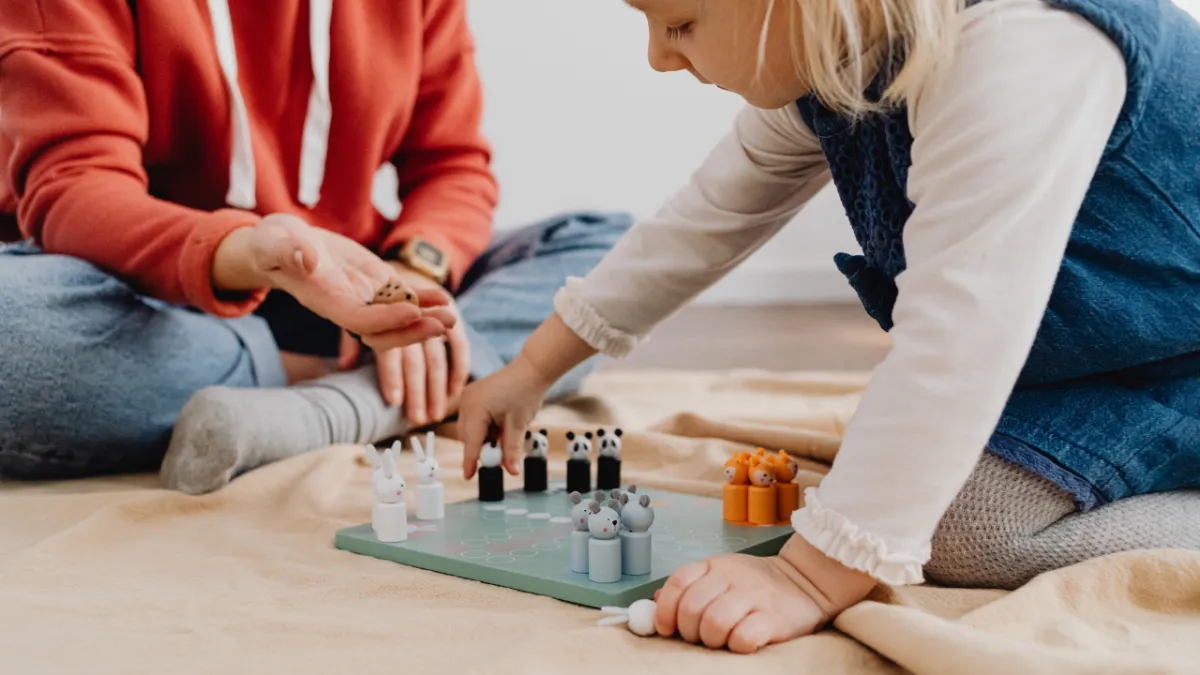
I learned this lesson in the most unexpected way — during a simple family board game.
The Board Game That Changed My Parenting
We recently introduced our kids to the strategy game Carcassonne.
If you’re not familiar, it’s a fairly simple game on the surface — you place tiles to build cities, roads, and farms. Anyone can play it. But there’s also strategy involved.
When my youngest, my 8-year-old, was trying to decide where to place his tiles, I noticed myself giving him lots of advice.
I could see his desire to succeed, and he asked a lot of questions in order to learn what was best. But what I realized, towards the end of the game, is that I was trying to cram all the strategies I’ve learned over the years into his brain all at once.
It was too much to take in, in just one game.
My intentions were good. I wanted to save him from frustration. I wanted him to succeed. I wanted him to enjoy the game.
But over time, I noticed something that didn’t dawn on me until after the game was over.
He stopped trusting himself.
He began looking at me before every move. Waiting for approval. Doubting his own ideas.
And that’s when I realized — I should have let him figure it out, even if that meant he might not get as many points.
When Helping Hurts
I thought I was helping.
In reality, I was hovering.
By stepping in too quickly, I was unintentionally robbing him of something far more valuable than a winning strategy:
The chance to make mistakes
The opportunity to feel disappointment
The experience of figuring it out on his own
The brain-building process of trial and error
Children build confidence through experience — not instruction.
When we constantly rescue them, they don’t learn why a choice works or doesn’t work. They just learn to rely on us.
And over time, that reliance can quietly chip away at their self-trust.
Why Letting Kids Fail Builds Confidence
Letting your child fail does not mean you’re failing them.
In fact, it’s often the opposite.
When kids are allowed to struggle safely, they:
Develop problem-solving skills
Strengthen critical thinking
Build resilience
Learn emotional regulation
Gain confidence in their own judgment
Even those “hitting rock bottom” moments can be such a powerful teacher.
Mistakes create neural connections. They teach cause and effect. They create deeper understanding than advice ever could.
Confidence doesn’t grow when everything is easy.
It grows when — after a struggle — a child thinks, “I figured that out.”
The Hidden Danger of Hovering
Hovering — sometimes called helicopter parenting — stems from love.
But over-involvement can send subtle, but harmful messages:
“You can’t handle this.”
“I don’t trust your judgment.”
“You need me to get this right.”
That’s not the message we intend to send. But children absorb it anyway.
The goal isn’t to remove ourselves completely.
It’s to shift from director… to guide.
From rescuer… to supporter.
From fixer… to encourager.
How to Step Back (Without Feeling Like a Bad Mom)
Letting your child struggle can feel uncomfortable. It can feel irresponsible. It can even feel unloving.
But healthy, responsible parenting doesn’t mean preventing all heartache.
It means creating a safe space where children can learn from their errors.
Here are four reminders that help me stay focused:
1. Step Back
Resist the immediate urge to rescue.
Pause. Observe. Let them navigate their choice before you step in.
2. Encourage Exploration
Let them experiment — even if you’re fairly certain they’ll fail.
Those “failed” attempts are building critical thinking skills and resilience.
3. Ask Guiding Questions
Instead of giving direct advice, try:
“What do you think will happen if…?”
“What’s another option you could try?”
“How did that work out last time?”
Questions empower. Instructions replace.
4. Celebrate Mistakes
Rather than showing disappointment, normalize mistakes as part of growth.
You can say:
“Mistakes help our brains grow.”
“That didn’t work — what could you try next?”
When mistakes feel safe, confidence grows.
The Real Way to Raise Independent, Confident Kids
The next time you feel the urge to jump in and save your child, take a breath.
Ask yourself:
Am I helping… or am I preventing growth?
The best way to help our children find success and happiness isn’t by telling them what to do.
It’s by showing faith in them.
When we let them figure things out, they don’t just make better choices.
They believe they can make good choices.
And that belief is more powerful than anything we could hand them.
Letting Them Fail Doesn’t Mean You’ve Failed
This shift changes how I parent.
It softens my anxiety.
It strengthens my trust in my kids.
It reminds me that growth often requires discomfort.
Letting our children fail doesn’t mean we’re neglecting them.
It means we’re focused on what matters most:
Raising resilient, independent, confident human beings.
And that’s worth stepping back for.
To watch this story in video form, check it out HERE!
And for more resources to help you thrive easy as a mom, check out My Table.